 Hoy
Hoy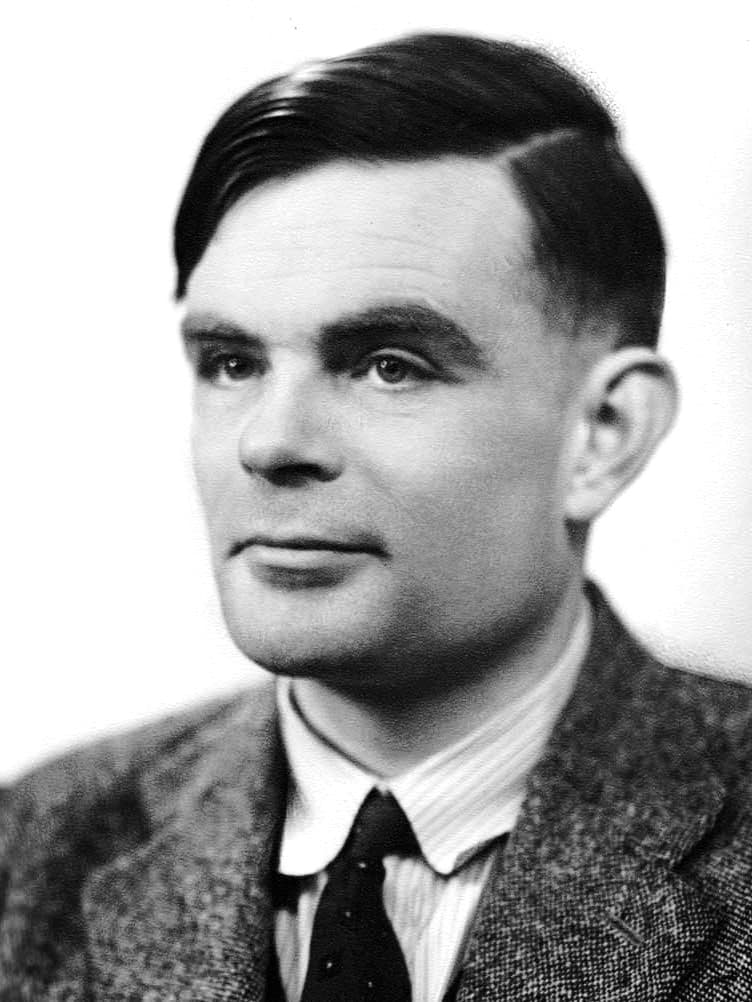
El 'genio' de Alan Turing y su máquina teórica
El 26 de mayo de 1936, Alan Turing publicó un artículo seminal que introdujo el concepto de la Máquina de Turing, un modelo teórico fundamental para la computación.
Imagine a world without computers, smartphones or even the simplest calculator. That was the reality before Alan Turing, a mathematician whose brilliance shone brighter than any Enigma code, published his groundbreaking paper "On Computable Numbers, with an Application to the Entscheidungsproblem" on May 26, 1936. This wasn't just any paper; it was the blueprint for the digital age.
Turing introduced the Turing machine, a hypothetical device that, despite its theoretical nature, laid the foundation for all modern computation. It could simulate the logic of any computer algorithm, proving that if a problem could be solved by computation, it could be solved by a Turing machine. It's the ultimate abstract machine, the ancestor of every silicon chip buzzing with data today.
This 1936 paper was more than just academic musings; it was a prophecy. It defined what is computable and what is not, influencing everything from artificial intelligence to the very architecture of the computers we use daily. Turing's work was so ahead of its time that its full impact wasn't appreciated until much later, much like a fine wine that needs decades to mature.
Puente Pop
The Imitation Game (2014)
This biographical drama vividly portrays Turing's crucial role in breaking the Enigma code during WWII and touches upon his visionary ideas about computation and artificial intelligence, showing the human side of the genius behind the Turing machine.